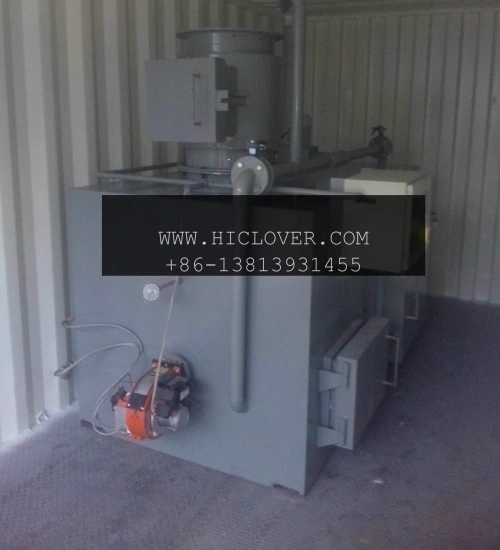
Role of Medical Waste Incinerators in Modern Public Health Systems In modern healthcare, the safe disposal of infectious and biomedical waste is as vital as diagnosis and treatment. Hospitals, clinics, and laboratories generate large volumes of contaminated waste daily. Without controlled destruction, these materials pose serious risks to public health through secondary infections, environmental pollution,
High-Capacity Incinerators for Kenya’s Medical Universities and Teaching Hospitals
High-Capacity Incinerators for Kenya’s Medical Universities and Teaching Hospitals Introduction: Training the Next Generation of Doctors Kenya is rapidly strengthening its medical education sector, with universities in Nairobi, Eldoret, and Kisumu expanding their teaching hospitals. These facilities not only provide clinical training for future doctors but also serve as high-volume referral hospitals handling thousands of
Medical Waste Disposal in South Africa: Why Incineration is the Sustainable Choice
Medical Waste Disposal in South Africa: Why Incineration is the Sustainable Choice The Challenge of Medical Waste in South Africa South Africa faces growing pressure to manage medical waste effectively. Hospitals, clinics, and laboratories across Johannesburg, Cape Town, Durban, and rural provinces generate large volumes of infectious waste, sharps, pharmaceuticals, and pathological materials every day.
Comparison of Medical Waste Treatment Methods
Comparison of Medical Waste Treatment Methods Criteria Incineration (HICLOVER) Autoclaving (Steam Sterilization) Microwave Treatment Effectiveness Destroys all medical waste types (ACE): infectious, pathological, sharps, pharmaceuticals, and chemical waste. Sterilizes infectious waste (Category A); not effective for pathological, pharmaceutical, or chemical waste. Disinfects infectious and sharps waste; limited for pharmaceuticals and chemical waste. Volume Reduction Up
Burkina Faso Biological Waste Management
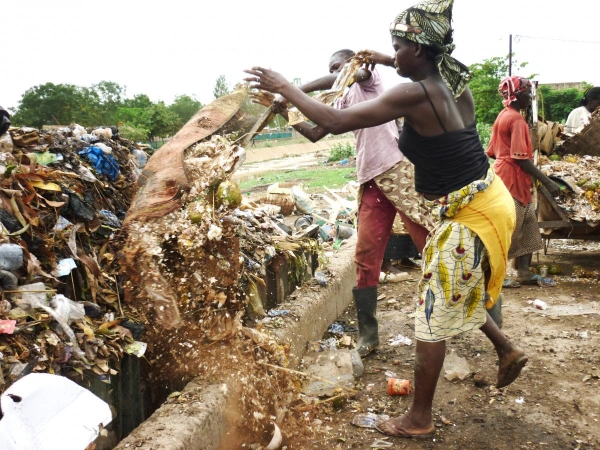
Burkina Faso Biological Waste Management Burkina Faso, a landlocked country in West Africa, faces significant challenges in managing biological and medical waste. Rapid population growth, expanding healthcare infrastructure, and limited waste treatment facilities have raised concerns about public health and environmental safety. To address these issues, eco-safe biological waste management solutions are increasingly being explored,

Why UN Peacekeeping Camps Require Containerized, Top-Loading Incinerators Rapid Deployment & Portability Peacekeeping missions like UNMISS (South Sudan), MINUSCA (Central African Republic), or MONUSCO (DR Congo) often establish or relocate camps in remote, conflict-affected, or insecure areas. Containerized incinerators are built into standard 20ft or 40ft shipping containers, allowing easy transport by truck, rail, or
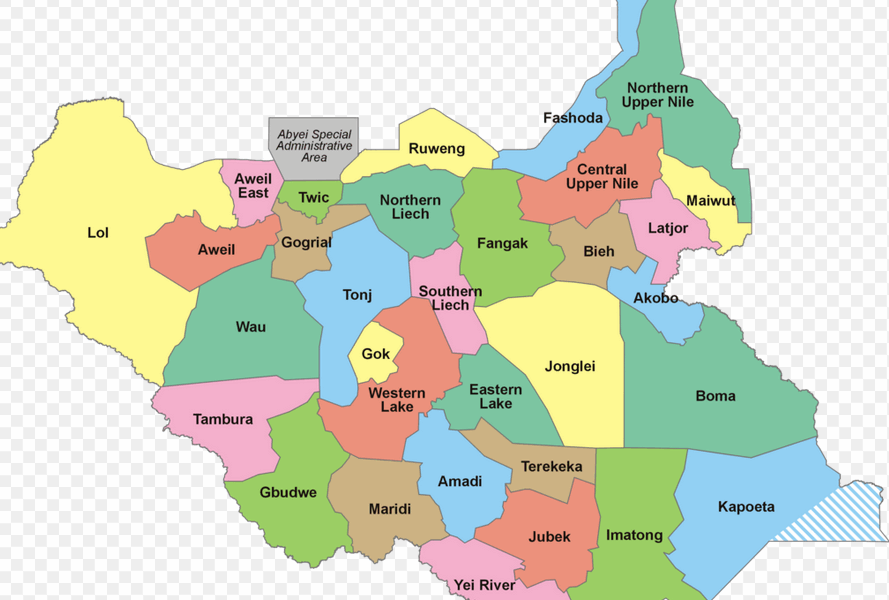
Advanced Medical Waste Incineration in South Sudan: Why HICLOVER TS200 PLC is the Perfect Fit In South Sudan, the safe and efficient disposal of medical and hazardous waste is a growing challenge, particularly in hospitals, refugee camps, and remote health facilities. Meeting strict international technical requirements while also adapting to local conditions is crucial. The
Medical Waste Incinerator in Benin
Medical Waste Incinerator in Benin: CE-Compliant, High-Capacity, and Tailored for Local Needs HICLOVER, a globally recognized manufacturer and exporter of medical waste incinerators, presents its model specifically configured to meet a recent tender requirement in Benin. This solution combines environmental performance, durability, and modern technology, while strictly complying with CE or FDA standards. Detailed Technical
Medical Waste Management and Incinerator Use in Burundi Burundi, a small East African country with a population of around 13 million, faces challenges in safely managing healthcare waste. Its healthcare system includes: A network of national hospitals, district hospitals, and local health centers Growing numbers of NGO-supported clinics, especially in rural and border areas Most
double chamber incinerator
Nanjing Clover Medical Technology Co.,Ltd. • Also consider provision for meeting international emission standards. Able to handle an average waste production of 100kg/day “• Minimum load capacity: 20 kg • Maximum load capacity: 40 kg • Nominal burning rate: 10-30 kg/hr (= 80- 240 kg range per 8hour day) The proposed incinerator units must be complete and include all of the key features listed below and all of the associated support services and interconnections The forecasted feedstock loads, and daily loading rates are generally summarized as: • Mixed general, clinical and incinerable hazardous wastes with a wide range of calorific values and densities. The wastes will consist of 100% biomedical wastes. • Wastes either small enough to fit within a 60 litre waste sack or broken up or shredded to less than 300mm in size. • Operation on a daytime shift basis, 5 days per week. • An 8 hour daily operating cycle of ash removal, pre-heat and burn with continuous loading if required. The automated burn completion Principle Medical Waste Incineration Treatment Burn Rate Average 1000-1500 kg/hour Feed Capacity Average 6000kg/feeding Control Mode PLC(Programmable Logic Controller Incinerator) Combustion Chamber 4800Liter Internal Dimensions 400*120*100 cm The Incinerator units shall be designed to last in operation in a tropical environment for a minimum period of 10 years if the specified maintenance schedule is followed. All metal surfaces (except combustion chamber internal fittings) shall be either galvanized, enameled, painted or otherwise treated against atmospheric and process induced corrosion The incinerator combustion chamber(s) should be designed for easy maintenance of all internal parts including the refractory and insulation. Materials used in the individual parts of the incinerator shall be heat resistance and also be protected against oxidation, corrosion, etc.o C.E = (CO2 X 100) / (%CO2 +%CO) incinerator price incinerator for medical waste Suitably designed pollution control devices such as scrubbers, filters or electrostatic precipitators, shall be installed/retrofitted with the incinerator to achieve emission limits.” “Each unit shall include a complete vertical exhaust and stack system, including the following features: • Steel construction. The proposed incinerators shall be able to be completely packed into a series of 20ft export standard sea containers. • Refractory lining in the lower section. • The exit height of the stack shall be not less than a range of 3-12 metres above ground level depending on the capacity of the incinerator unit. The incinerator shell shall be made of mild steel with an adequate thickness for small units of between 3-6mm and larger units 5-10 mm depending on the construction part and painted externally with heat resistant aluminum paint suitable to withstand 250° C. The outside surface temperature of the incinerator casing should not exceed 50° C above ambient temperature and shall include a safety mesh around all hot surfaces. Cold face refractory lining of calcium silicate or superior material, minimum thickness 100 mm. The incinerator units shall include a temperature based electronic combustion control system that utilizes temperature and other data to inform automated or programmed cycling through the standard burn cycle: pre-heat, burn with waste addition, burn completion, cool-down. The system shall be capable of varying auxiliary fuel and air supply in both combustion chambers to achieve optimum combustion conditions. As far as practicable, the incinerator shall be of a plug and play type for ease of installation and commissioning in remote locations. “The control system shall have a separate push button-based work station, which shall be located adjacent to the loading bay and protected from weather and impact damage. The system shall allow for rapid and straightforward intervention by the operator if the automatic system is not achieving the desired results during a burn cycle. e. achieve a Total Organic Carbon (TOC) content in the slag and bottom ashes of less than 3%. g. include clearly readable system operation panels. h. include an operator’s manual (in English and French and Spanish). i. require minimal preprocessing i.e. there shall be no/very limited need for prior sorting, crushing or shredding. j. be capable of handling mixed solid waste streams and incinerable hazardous wastes as indicated. k. can accommodate large variations in waste composition and calorific value. l. allow for batch loading The control system shall include an electronic performance monitoring and logging system. The system shall be capable of monitoring and logging chamber temperatures at regular intervals (not less than once per minute, with the capacity to vary the logging frequency). The system shall include the capacity to download the performance data by USB connection. All the measuring devices attached with the incinerator should have digital display and should have provision of connecting to the recording system, which should include fuel meter and separate energy meter. The temperature shall be determined against the inside wall of the combustion chambers. An audible and visible alarm shall be installed to warn the operator when the secondary temperature drops to below the required temperature. The primary chamber must meet or exceed the following criteria: • Multiple electric ignition fuel burners designed to use automotive diesel fuel. • Flame of the primary burner shall be oriented towards the center of the unit which does not impinge directly on the refractory floor or wall. The secondary burner shall be positioned in such a way that the flue gas passes through the flame. • The unit shall prevent leakage of the hot flue gas and any backfire.