HICLOVER Waste Incinerators: Ensuring Compliance in Advanced Waste Management
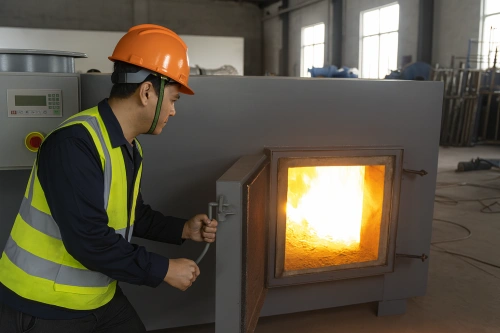
HICLOVER Waste Incinerators: Ensuring Compliance in Advanced Waste Management
Introduction to Waste Incinerators
In the arena of waste management, waste incinerators play a crucial role, particularly for specialized sectors like healthcare. An incinerator for clinical waste ensures the safe disposal of medical and potentially hazardous materials. Operating at high temperatures ranging from 800°C to 1200°C, these systems abide by stringent engineering reliability and industrial standards, such as those mandated by the World Health Organization (WHO). Effective incineration not only mitigates risks associated with infectious waste but also aligns with global compliance and sustainability initiatives.
1. Regulatory Compliance and Certifications
Waste incineration is governed by a myriad of regulations and standards aimed at preserving public health and protecting the environment. Key compliance requirements and certifications include:
- WHO Guidelines: The WHO provides guidelines to ensure that medical waste is incinerated at proper temperatures to prevent the release of harmful pathogens.
- EU Emission Standards: European Union regulations enforce strict emission limits for incinerators, focusing on reducing dioxins, furans, and other noxious gases. Compliance with these standards is critical for operational legitimacy.
- Local Environmental Laws: Variations exist depending on regional legislation. Each facility must adhere to local requirements that dictate operational procedures and emissions.
- ISO Certifications: Many incinerator manufacturers, including HICLOVER, achieve ISO certifications that confirm adherence to quality management and environmental management systems.
2. Technical Features of HICLOVER Waste Incinerators
HICLOVER waste incinerators are characterized by several advanced technical features that ensure compliance and enhance operational efficiency:
- Dual Combustion Chambers: The dual-chamber design is vital for complete combustion. The primary chamber initiates the burning process, while the secondary chamber ensures that any leftover emissions are subjected to additional combustion, thus maximizing efficiency and minimizing pollutants.
- High-Temperature Retention: Maintaining high temperatures during waste processing is essential to ensure complete mineralization of hazardous materials, aligning with both safety and regulatory standards.
- PLC Automation: HICLOVER incorporates programmable logic controllers (PLC) for enhanced operational control, reducing human error and optimizing the incineration process.
- Modular Design: Containerized incineration units facilitate mobility, making it easier to deploy in remote locations such as humanitarian camps or crisis zones.
3. Combustion Principles and Technologies
Understanding the combustion process is crucial for anyone involved in waste management:
- Combustion Process: Waste materials are subjected to a combustion process that converts solid waste into heat, ash, and gases. The efficiency of this process is greatly affected by the moisture content and the type of waste being burned.
- Energy Recovery: Advanced incinerators can also harness energy from the combustion process. This energy can be utilized to generate electricity or provide heating, thus contributing to energy recovery systems.
- Air Pollution Control: HICLOVER offers options for both wet and dry scrubbers to control emissions. Wet scrubbers use water to capture pollutants, while dry scrubbers utilize chemical agents to neutralize harmful gases.
4. Comparisons of Incinerator Types
When considering a waste incinerator, it’s essential to weigh the options between different types:
- Fixed vs. Portable Units: Fixed incinerators are suitable for permanent installations at hospitals or treatment facilities, while portable incineration units provide flexibility for usage in various locations, especially in disaster relief scenarios.
- Manual Control vs. PLC: Manual incinerators require more operator involvement and may face challenges with consistency, whereas PLC-controlled units offer enhanced precision and automation, improving safety and reliability.
- Dry Scrubber vs. Wet Scrubber: The choice between scrubber types depends on the specific emissions and waste characteristics. Dry scrubbers are preferable for certain gaseous pollutants, while wet scrubbers are effective against acid gases and particulates.
5. HICLOVER’s Innovative Supply Chain and Manufacturing Capabilities
HICLOVER stands out amongst manufacturers for several reasons:
- Factory Direct Supply: By manufacturing directly, HICLOVER can provide customized solutions tailored to specific waste management needs, ensuring optimal chamber volumes and operational specifications.
- Global Export Capability: The company has established a robust supply chain that facilitates the delivery of incinerators worldwide, emphasizing reliability and efficiency.
- Engineering Expertise: With years of experience in the waste management sector, HICLOVER’s engineers design systems that incorporate the latest technologies and meet rigorous industry standards. For more information, visit HICLOVER’s official website.
Conclusion
As the global focus on waste management intensifies, especially in the wake of public health crises and environmental sustainability mandates, HICLOVER waste incinerators continue to lead the way in compliance, efficiency, and innovation. By understanding the regulatory landscape, technical specifications, and operational advantages of these incinerators, stakeholders can make informed decisions that align with modern waste management needs.